

.png)
The Mirror Effect: How Relationships Reveal Where We’re Broken


Here’s something no one includes in wedding vows: I promise to repeatedly expose all your unresolved childhood wounds.
And yet… that’s exactly what intimate relationships do.
If love alone were enough, couples therapy wouldn’t exist. As a therapist, I can tell you this with both clinical confidence and lived experience: relationships are less like fairy tales and more like full-length mirrors: High definition. Excellent lighting. Zero mercy.
Relationships have a way of showing us parts of ourselves we didn’t even know were there. Intimate relationships don’t just bring out our strengths, they expose our wounds.
When that happens it’s tempting to throw up our hands and conclude: We’re incompatible. But often, conflict in relationships isn’t about incompatibility, it’s about how our unhealed parts interact.
(If this is showing up for you or your partner as criticism, be sure to check out my blog Did I Just Sound Like My Mother?)
For now, let’s look at two sneaky ways this tends to play out: complementary brokenness and conflicting brokenness.
Complementary Brokenness Is When Our Wounds Fit Together
Complementary brokenness is when two people’s coping strategies interlock. Not because they’re healed, but because their wounds align in a way that feels stabilizing. Each person unconsciously supplies what the other is missing. It looks balanced. It often feels ideal. But the balance is built on survival, not wholeness.
For example, he is a chronic people-pleaser, and she craves reassurance. At first, it feels magical. She feels cared for. He feels needed. But underneath the harmony, something else is happening.
The people-pleaser isn’t giving from strength. He’s giving from fear: fear of rejection, fear of conflict, fear of not being enough. His generosity is fueled by anxiety. The partner who needs reassurance isn’t receiving from wholeness. She’s receiving from insecurity: fear of abandonment, fear of being unseen, fear of being too much.
Instead of healing each other, they enable each other’s wounds, quietly reinforcing the very patterns keeping them incomplete.
What initially feels like stability is actually a fragile equilibrium built on two nervous systems trying to manage fear. Over time the giver feels drained and the receiver never feels fully secure.
That’s complementary brokenness. The wounds fit. But they don’t heal.
conflicting brokenness is when our wounds collide
Other relationships don’t feel balanced at all, they feel volatile.
Conflicting brokenness happens when two people bring opposite survival strategies into the relationship. Their wounds don’t interlock — they collide. Instead of compensating for each other, they amplify each other.
Each partner developed coping strategies that once made perfect sense in the context of their early experiences. For example, one learned to move toward discomfort; the other learned to move away. One regulates through engagement. The other through distance. Neither is wrong. Both were adaptive.
But without awareness, when those strategies meet they don’t neutralize each other, they trigger each other.
And here’s where it spirals.
When something feels off, one partner wants to address it immediately — talk it through, act. Action feels regulating. The other pulls back — goes quiet, creates space. Distance feels regulating. The more one pushes for clarity, the more the other feels overwhelmed and retreats. The more one withdraws, the more urgent and anxious the other becomes.
One experiences withdrawal as abandonment. The other experiences pursuit as pressure.
What makes conflicting brokenness so painful is that both people feel threatened at the same time. Both feel misunderstood. Both feel like the other is destabilizing the relationship. Both walk away thinking: You are the problem.
But underneath the volatility is something deeply human. Conflicting brokenness is about two unintegrated nervous systems trying to survive in opposite directions.
the real issue is unhealed parts seeking relief
Whether complementary or conflicting, these dynamics share one core truth: We are drawn to people who activate our wounds. Not because we’re broken beyond repair, but because our nervous systems recognize familiar patterns. Familiarity feels like chemistry. Your nervous system loves what it recognizes even if it hurts. Complementary brokenness says, “You feed my wound.” Conflicting brokenness says, “You poke my wound.” Either way… the wound is there.
Left to autopilot, relationships become arenas where our unhealed parts fight for survival.
what healthy love looks like
It’s less cinematic. More conscious.
Healthy love isn’t two flawless humans gliding through life together. It’s two people recognizing how their wounds interact and choosing growth over blame. It’s two self-aware people willing to notice, “This isn’t just about you. This is touching something in me.” And that shift — that small, brave ownership — changes everything.
We become curious. We stop labeling our partner as “toxic” and start asking, “What is this dynamic revealing about me?” A healthy relationship doesn’t eliminate brokenness. It acknowledges it.
The people-pleaser learns to set boundaries. The needy partner learns to self-soothe. The emotional partner learns to regulate intensity. The avoidant partner practices staying present when feelings rise.
Relationships aren’t just about connection and chemistry. They’re about clarity. They’re mirrors that help us see ourselves more honestly. Sometimes the reflection is flattering. Other times they expose with brutal clarity. But here’s the hopeful part: conscious love, paired with emotional responsibility, can turn the same relationship that exposes your wounds into the safest place to heal them. Relationships don’t just reveal where we are broken. They also reveal where healing is ready to begin.
Want to dive deeper into how your relationship with your partner can reveal a lot about yourself? If you’d like help identifying your relational patterns – and how to interrupt them, let’s talk. I specialize in helping people explore how they relate to themselves, and how that affects the ways they relate to others. In Texas, you can schedule a session with me in person at Lifeologie Counseling Allen, Texas or via telehealth. Call (214) 556-0996 to book an appointment or connect and learn more about my approach. Or, search for a Lifeologie Counseling relationship therapist near you to help you move forward and build healthy relationships.
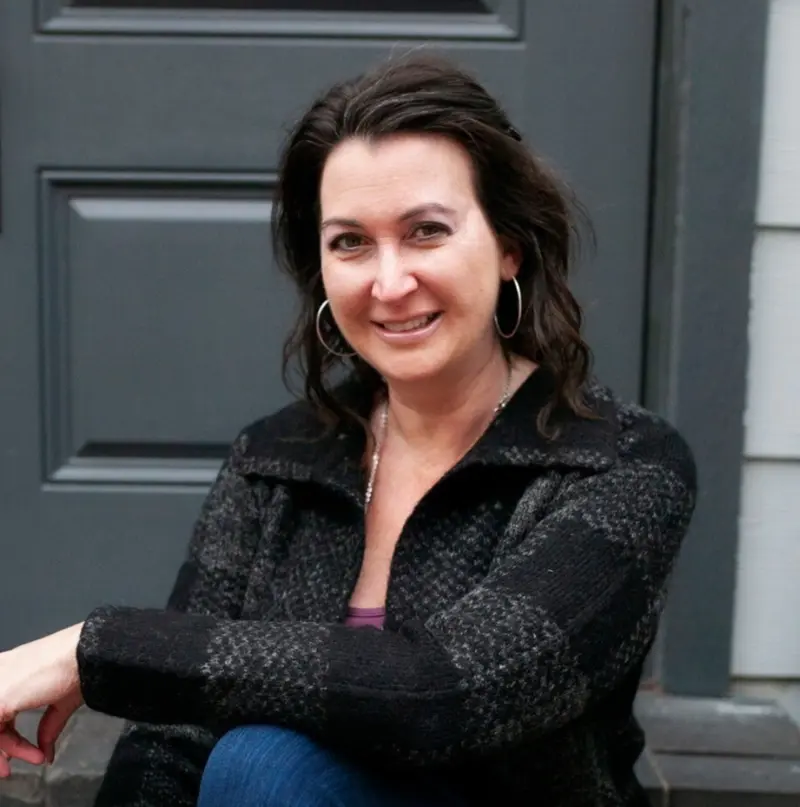
About Heather Williams Dutcher
Heather’s passion is to come alongside individuals, couples, and families through the beautiful mess we call life. If you are wrestling with how you relate to yourself - shame, identity, anxiety, depression, or wrestling with how you relate to others - marital, parenting & co-parenting, family dynamics, communication - you don't have to go it alone.
Meet Me.png)

.png)
.png)
.png)