
.png)
The Power of Play Therapy


Take a moment to think about your child right now. If you’re here, you might be worried, confused, or simply wondering why your child is struggling in ways they can’t or won’t put into words. Maybe you’ve noticed more anxiety, emotional outbursts, trouble adjusting to a big life change, difficulty in school, withdrawal, or behaviors that feel overwhelming for both of you. You may be trying everything you can to support them, yet still feel like you’re not quite reaching what’s happening beneath the surface.
This is exactly where play therapy can help.
Children experience the full depth of human emotions, but unlike adults, they don’t yet have the cognitive skills to explain what they feel or why they’re acting a certain way. Their brains are still developing, especially the parts that help us make sense of our inner world and communicate it. This development continues well into young adulthood, and abstract reasoning—the ability to describe emotions and experiences—doesn’t typically emerge until around age 12. So even when children feel anxious, overwhelmed, sad, scared, angry, or confused, they often cannot verbalize what is going on inside.
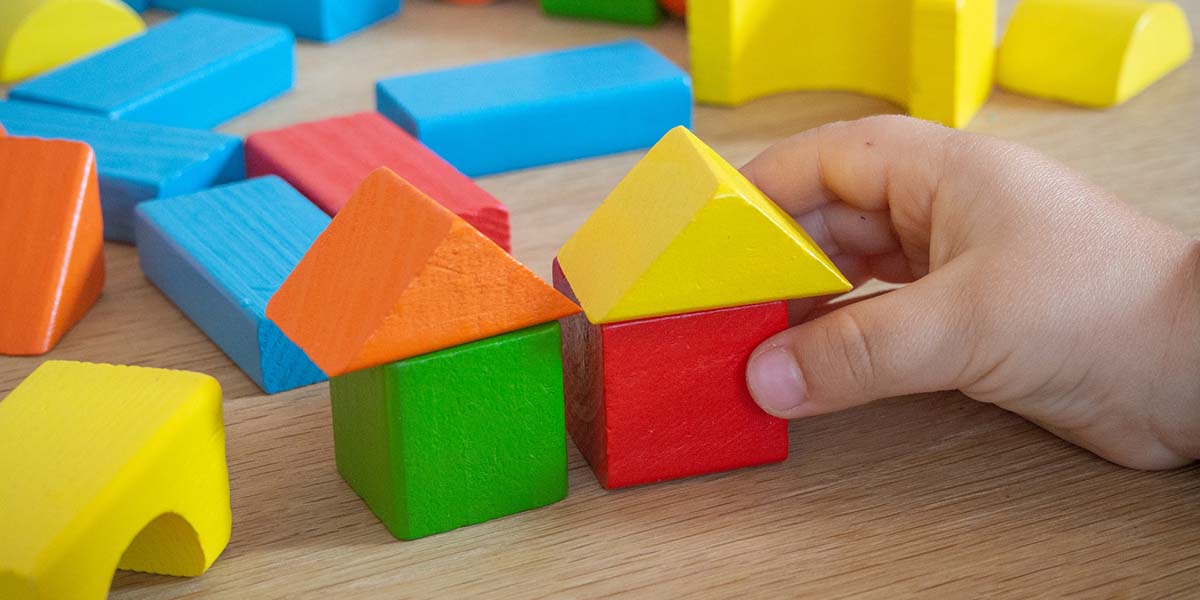
Play therapy goes where traditional talk therapy cannot. It meets children in their truest form of expression and gives them a space to speak freely beyond words. Toys, art materials, puppets, sand trays, and imaginative scenarios all become tools for communication. Children project their inner experiences into play, allowing therapists to see patterns, fears, strengths, and needs that might otherwise remain hidden.
In this space, the therapist is not just observing. They are attuning, reflecting, and guiding the child’s emotional exploration. Children can work through big feelings, try out new coping strategies, experiment with roles, and practice navigating the world safely. Play therapy gives them a way to exist, explore, and heal in a way that feels natural, empowering, and authentic.
Ultimately, play is more than just fun. It is the language through which children explore their emotions, understand themselves, and connect with the world around them.
why choose play therapy?
Choosing play therapy can feel like a big step—especially when your child is struggling and you’re searching for something that truly helps. At Lifeologie Counseling St. Johns, play therapy is not just about toys or games; it’s a developmentally attuned, evidence-based approach designed to support children in the way they naturally communicate: through play.
what should parents expect?
Your child’s therapist creates a warm, safe, and predictable space where the child can explore difficult feelings, experiences, and behaviors at a pace that feels manageable to them. Sessions typically look like play from the outside, but every interaction is guided by clinical intention and training. Over time, children begin showing more confidence, emotional regulation, and problem-solving skills.
how should parents prepare their child?
Preparation can be simple. Let your child know they’re going to meet a grown-up whose job is to help kids through play. Reassure them that there are no tests, no “right answers,” and that they get to lead the way. Most children grow comfortable quickly once they sense the environment is safe and child-centered.
how do play therapists collaborate with parents?
Play therapy is never a drop-off service—it’s a collaborative process. Your therapist will meet with you regularly to discuss themes emerging in the playroom, help you understand what your child is expressing, and offer practical strategies for supporting progress at home. Parents play a crucial role in reinforcing connection, emotional safety, and the new skills their children are learning.
what does play therapy help with?
According to the Association for Play Therapy (APT), play therapy supports children in the following ways:
- Becoming more responsible for their behaviors and using healthier coping strategies
- Developing creative solutions to internal and external problems
- Building respect and acceptance of themselves and others
- Feeling safer expressing and understanding their emotions
- Strengthening empathy and awareness of others’ feelings
- Growing new social and relational skills, including within the family system
- Cultivating self-efficacy and confidence in their abilities
By honoring and supporting play—whether in everyday life or through play therapy—we give children the tools to process their feelings, develop essential skills, and discover their unique sense of self. In play, children find freedom, expression, and healing, and we are reminded that sometimes the simplest acts have the deepest impact.
Find a play therapist near you in our Lifeologie directory!

About Lifeologie
Lifeologie Counseling was founded in 2000 with one goal in mind — to bring a fresh, innovative approach to the everyday problems of life. Creative solutions to stuck problems®. With our unique multi-specialty, collaborative approach, Lifeologie Counseling helps individuals and families heal their wounds and break out of old, unhealthy patterns.