
Overcoming Valentine’s Day Depression


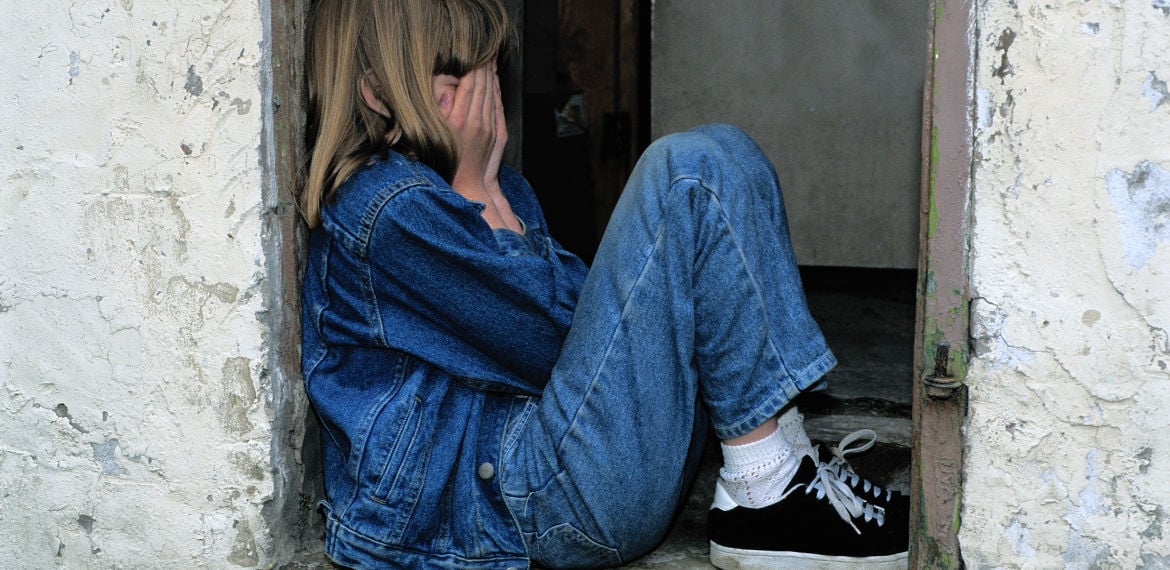
Are you feeling a little sad this Valentine’s Day? It is often marketed as a celebration of love and connection, but for many people, it can bring up unexpected feelings of sadness, anxiety, or emotional fatigue. If Valentine’s Day leaves you feeling low, overwhelmed, or dreading the calendar, you’re not alone. This holiday can amplify insecurities, loneliness, grief, and relationship stress, regardless of your relationship status.
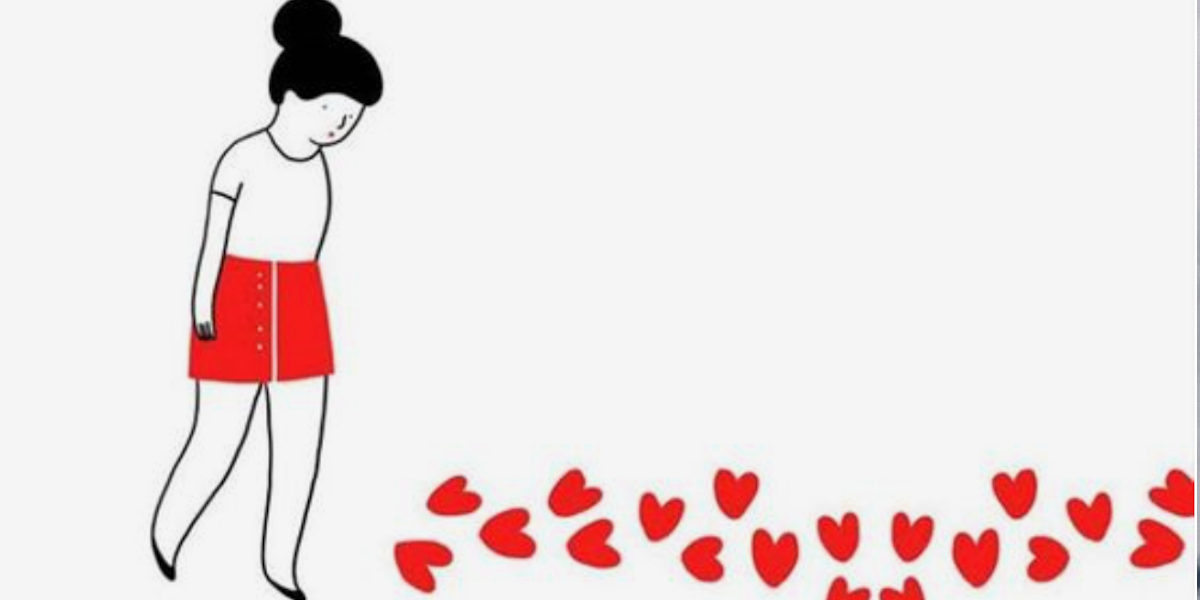
For those who are single, Valentine’s Day may spark painful self-reflection or questions about why a relationship hasn’t happened yet. For those in relationships, differing expectations or unspoken assumptions about the holiday can lead to disappointment or conflict. While some view Valentine’s Day as meaningful and heartwarming, others experience it as commercialized or emotionally loaded. No matter how you feel about the holiday, it has a way of surfacing deeper emotions that deserve care and attention.
Thinking About Loss on Valentine’s Day
If you’ve experienced the loss of a loved one, the end of a relationship, or ongoing disappointment in your love life, Valentine’s Day can be especially painful. Feelings of grief or sadness may feel sharper during this time, particularly when layered with isolation, stress, or lingering effects of recent years that disrupted connection and routine.
If Valentine’s Day reminds you of what—or who—you’ve lost, it’s important to know that these reactions are normal. Grief doesn’t follow a timeline, and reminders of love can also remind us of loss. While it may be tempting to avoid these feelings, allowing yourself to acknowledge and process them is an essential part of healing. Support from a trained therapist can be especially helpful when grief, depression, or emotional overwhelm begins to interfere with daily life.
seasonal affective disorder and valentine’s day
For some, Valentine’s Day coincides with another challenge: Seasonal Affective Disorder (SAD). SAD is a form of depression that typically occurs during the fall and winter months when daylight is limited. Symptoms often begin subtly and intensify as the season progresses, which can make feelings of depression feel heavier around mid-February.
Common signs of Seasonal Affective Disorder may include:
- Feeling depressed most of the day, nearly every day
- Loss of interest in activities you once enjoyed
- Low energy or persistent fatigue
- Changes in sleep patterns
- Changes in appetite or weight
- Feeling sluggish, restless, or agitated
- Difficulty concentrating
- Feelings of hopelessness, guilt, or worthlessness
If these symptoms feel familiar, Valentine’s Day may be highlighting something deeper that deserves support.
tips for singles on valentine’s day
Just because Valentine’s Day is often framed as a romantic holiday doesn’t mean it can’t honor other forms of love. This includes love for friends, family, pets, community—and yourself. Instead of focusing on what feels absent, gently shift attention to the relationships that offer support and connection in your life.
Consider planning a virtual or in-person gathering with friends, sharing a meal with someone you trust, or reaching out to someone who matters to you. Practicing gratitude—such as texting someone to let them know why you appreciate them—can be grounding and meaningful. Self-care also matters. Whether it’s reading, resting, taking a warm bath, or doing something spontaneous and life-giving, caring for yourself is a valid and powerful way to move through the day.
tips for couples on valentine’s day
For couples, Valentine’s Day stress often comes from mismatched or unspoken expectations. One partner may see the holiday as deeply meaningful, while the other may view it as unnecessary or performative. Without communication, these differences can lead to hurt feelings or conflict.
Having an intentional conversation before Valentine’s Day can significantly reduce stress and disappointment. Discuss what the holiday means to each of you, what feels supportive or stressful, and how you each feel most appreciated. These conversations create space for clarity and connection rather than assumptions.
Research by Dr. John Gottman highlights the importance of shared meaning in long-term relationships. Shared meaning develops when couples create rituals, symbols, and values that reflect who they are together. Valentine’s Day can become one of those symbols—not by following a script, but by co-creating something that fits your relationship. Your love doesn’t have to look like anyone else’s, and the way you celebrate it doesn’t either.
If you’re experiencing symptoms of Seasonal Affective Disorder, persistent feelings of depression or anxiety, or grief related to loss or relationships, support is available. You don’t have to navigate these emotions alone. A professional therapist can help you explore what’s coming up, develop coping strategies, and feel more grounded during emotionally charged seasons. Find a Lifeologie therapist near you in our directory!

About Lifeologie
Lifeologie Counseling was founded in 2000 with one goal in mind — to bring a fresh, innovative approach to the everyday problems of life. Creative solutions to stuck problems®. With our unique multi-specialty, collaborative approach, Lifeologie Counseling helps individuals and families heal their wounds and break out of old, unhealthy patterns.