
.png)
How Does Emotionally Focused Therapy Help Couples?


Have you ever experienced times when your partner is upset with you and you start feeling overwhelmed, don't know what to say, and feel guilty for upsetting them? You decide it is better to change the subject or go outside. It's like a puzzle that you and your partner can't solve, and neither of you is sure how to bridge the gap. You're not alone.
In fact, this is one of the most common reasons couples walk through our doors at Lifeologie Counseling. If you're looking for couples counseling in Durham, NC, I’d like to help you explore the patterns that are keeping you stuck.
Rediscover trust, comfort, and emotional connection
Over time, couples can get caught in a perpetual cycle of one partner pursuing and the other partner disconnecting. These emotional cycles can make it seem like there’s no way out, like you’re both trapped in a never-ending puzzle -- longing to connect, but instead, feeling misunderstood or shut out and lacking in emotional closeness. That’s exactly why Emotionally Focused Couples Therapy (EFT) exists.
Developed by Sue Johnson, Ed.D., EFT is a research-backed therapy approach that helps couples untangle painful patterns and rediscover ways to feel close.
In her best-selling book, Hold Me Tight, Johnson shares how one partner may reach for connection and, when it feels out of reach, try even harder, sometimes accidentally pushing their partner further away. Meanwhile, the other might retreat, managing their own fears or overwhelm. It’s a delicate dance, full of longing and push-and-pull, but also hope, because with the right support, these patterns can be transformed into something healing, secure, and deeply fulfilling.
how effective is emotionally focused therapy?
Research shows that EFT isn’t just a hopeful idea but a proven path for couples who want real, lasting change. In fact, studies reveal that about 7 out of 10 couples (70–73%) experience a significant reduction in distress after working through EFT. What’s at the heart of these results? Johnson’s work highlights that most couples aren’t lacking love or effort. They’re simply caught up in cycles that hide their deeper need for secure emotional connection. When that need is finally addressed in couples therapy, partners don’t just fix conflicts, they rediscover the warmth, trust, and attachment they truly crave.
what are EFT couples counseling sessions like?
Many couples are understandably anxious about starting the process of couples therapy. Here’s what to expect in EFT therapy with me:
- Our counseling sessions start with conversations in a safe, structured environment that explore underlying emotions and attachment needs.
- In therapy, I coach you through reflecting on your emotional experience, naming complex interaction patterns, and creating space for you and your partner to share vulnerable feelings and needs.
- We focus on making sense of the emotional cycle that intensifies conflict and deepens disconnection.
- Our conversations focus on the emotional cycle you and your partner experience.
- By identifying the emotional cycle and learning to share emotions, you and your partner learn how to respond differently when relationship conflicts arise.
7 EFT conversations couples can expect
- Focus on emotional cycles
I coach you and your partner to identify negative relational patterns, and we map those out together. For example, becoming aware of the pattern where one person’s critical comments might cause the other partner to withdraw. - Early conversations about de-escalation and safety
Understanding the cycle will empower you to de-escalate the conflict and feel safer emotionally sharing. - Exploring deeper emotions
You and your partner will be supported and empowered to explore the deeper fears, sadness, and worries that lead to anger and frustration, as a way to hide these feelings. In EFT, you will hear me say:
“When you feel he/she/they pulls away, what is that like for you? What’s the feeling underneath the frustration?”
- Sharing vulnerable needs
You and your partner will learn to share needs openly, without accusations. The partners learn to use “I” language to express emotions and emotional needs. - Coaching emotional expression
We create a safe space and begin using a specific counseling tool developed by Johnson called the “EFT Tango.” You and your partner will explore enactments in which you live out the complex emotional cycle during the counseling session. Part of this tango is making space for you to talk about your feelings and needs behind the conflict. Couples become more emotionally aware of each other and learn to respond differently to each other’s new emotional expressions. - Developing a secure bond
The goal of these EFT conversations is to develop secure emotional relationship bonds. During each counseling session, you and your partner work to become more emotionally accessible, responsive, and engaged with each other. This secure emotional bond allows you to turn toward each other during difficult conversations to hear each other’s feelings and needs. Secure emotional relational bonds are the key to turning any conflict into an opportunity for deeper intimacy and for meeting each other’s needs. - Reinforcing new emotional patterns
New emotional patterns for a couple need time to take root and to become secure. Once new patterns are identified and learned, therapy focuses on reinforcing them.
Emotionally Focused Therapy (EFT) offers couples a path to reconnect, heal old wounds, and build a secure emotional bond that lasts.
By understanding the patterns that keep you stuck and learning to turn toward one another with empathy and care, lasting change becomes possible.
I believe every couple experiences seasons of celebration, challenge, and growth. In my couples counseling sessions, I provide a safe, private space to share stories, recognize pain, identify goals, and build plans for change. My role is to meet each couple where they are and compassionately support their wellness journey. If you and your partner are ready to strengthen your connection and communicate with more understanding, I’m here to help at Lifeologie Counseling Durham. Outside North Carolina, you can search our directory to find a couples therapist near you.
You can do this! Schedule a couples counseling session today or call us at (919) 900-7552 and take the first step toward a healthier, more fulfilling relationship.
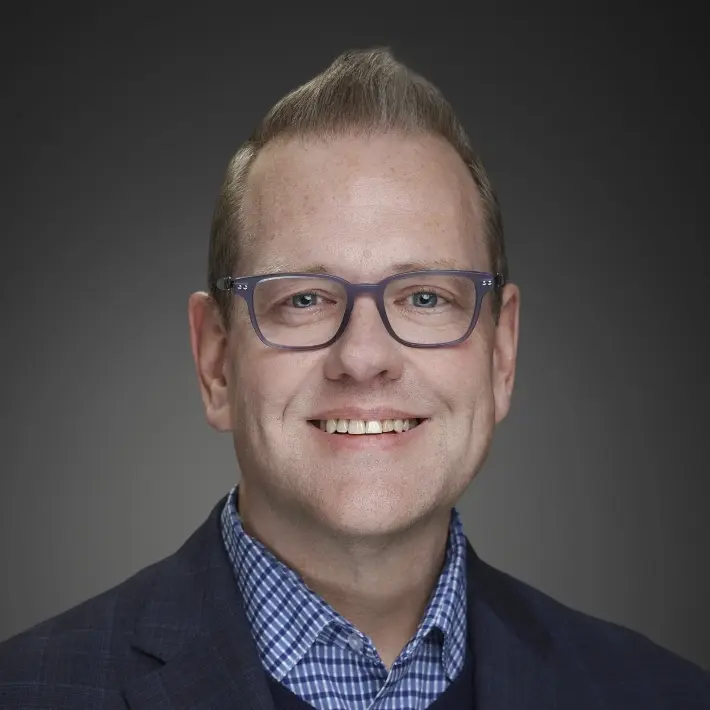
About Michael Gross
Michael Gross provides counseling for adolescents, adults and couples navigating anxiety, depression, relationships, illness, loss, grief, burnout, trauma, moral injury, life transitions, and identity formation. Michael believes everyone experiences seasons of celebration, challenge, and growth. He provides a safe, private space to share stories, recognize pain, identify goals, and build plans for change. His approach is trauma-informed, strength-based, and rooted in social justice and multicultural principles. For more than 25 years, Michael has provided spiritual and emotional support in healthcare settings as a Board-Certified Chaplain and ordained Christian minister.
Meet Me.png)

.png)
.png)