

.png)
It’s Not About the Pasta! Why You Keep Having the Same Fight


the fight you’re actually having isn’t the one you’re shouting about.
One of the most common things I hear when couples come into my office is:
"We need help with communication."
Almost every couple says it.
They tell me they argue about dishes, laundry, money, sex, parenting, in-laws, chores, text messages, tone of voice, vacations, who forgot to pick up the kids, or who loaded the dishwasher incorrectly.
And while those things certainly matter, they're usually not the real issue.
In fact, one of my favorite reality TV moments comes from Vanderpump Rules when James Kennedy famously yelled: "It's not about the pasta!"
As dramatic as that scene was, I often think about it during couples therapy because the same principle applies to relationships.
Most of the time, it's not actually about the dishes.
It's not about the text message.
It's not about the forgotten errand.
And it's rarely about communication itself.
There is almost always something deeper happening underneath the surface argument.
the surface fight
Imagine a couple arguing because one partner forgot to call when they were running late. On the surface, the conversation sounds like this:
"You should have called."
"I got busy."
"You always do this."
"You're overreacting."
"You never think about anyone but yourself."
"Nothing I do is ever good enough for you."
By this point, both partners are frustrated and convinced the problem is communication. But communication is often just the vehicle the pain is traveling in. The real issue is usually happening underneath.
what are we really asking for?
One of the core ideas that resonates with me in Emotionally Focused Therapy (EFT) is that we all have attachment needs. Whether we are 5 years old or 55 years old, we want to know:
- Are you there for me?
- Can I count on you?
- Do I matter to you?
- Am I important to you?
- Will you respond when I need you?
Most couples aren't consciously asking these questions. They're asking them through arguments. The partner who is upset about the forgotten phone call may not actually be angry about the phone call. What they may really be saying is:
"I felt forgotten."
"I didn't feel important."
"I was worried."
"I wasn't sure I mattered in that moment."
The other partner may not be defending themselves because they don't care.
They may be hearing:
"I'm failing."
"I'm disappointing you again."
"Nothing I do is enough."
"I'm being criticized."
Suddenly, what started as a conversation about a phone call has become a conversation about emotional safety and connection.
the negative cycle is the real enemy
One of the simplest concepts from EFT is this:
The problem is not your partner. The problem is the cycle.
When couples become distressed, they often get trapped in predictable patterns.
One partner pursues. The other withdraws.
One criticizes. The other becomes defensive.
One pushes harder. The other shuts down further.
The more this happens, the more disconnected both people feel.
Over time, couples stop seeing the fear, hurt, loneliness, or longing underneath each other's reactions. They only see the behavior. The criticism. The withdrawal. The defensiveness.
The silence.
And that's when they start believing their partner is the problem. In reality, both partners are often reacting to the same underlying fear:
"What if I'm not important to you?"
the question beneath the question
One exercise I often encourage couples to try is asking themselves:
"What am I really feeling right now?"
And then asking:
"What is the deeper need underneath that feeling?"
For example:
"I am angry."
What's underneath?
"I feel dismissed."
What's underneath that?
"I don't feel important."
What's underneath that?
"I'm afraid I don't matter."
Now we're getting somewhere.
Because nobody can effectively respond to:
"You're always late."
But they can respond to:
"When I don't hear from you, I start wondering if I matter to you."
One statement invites defensiveness. The other invites connection.
What Couples Really Mean When They Say They Need Better Communication
Most couples don't actually need better communication skills. They need safer emotional conversations.
Communication techniques can be helpful. But communication without emotional safety is like putting fresh paint on a cracked foundation. The deeper work is learning how to recognize the fears, hurts, longings, and attachment needs that are driving the argument in the first place. When couples learn how to share those vulnerable emotions instead of attacking, defending, or withdrawing, everything begins to change.
Your mission, should you choose to accept it
The next time you find yourself arguing with your partner, pause and ask yourself:
"What is this really about?"
What am I feeling beneath my frustration?
What need is trying to be expressed?
What am I longing for from my partner in this moment?
You may discover that the argument isn't about the dishes.
Or the text.
Or the money.
Or the laundry.
It may be about wanting reassurance that you matter.
That you're loved.
That you're seen.
That your relationship is safe.
As we often say in couples therapy: The surface argument is rarely the whole story. The real conversation is usually happening underneath.
Are you looking for a professional therapist who can help you dive beneath the surface to find out more about what you and your partner need from each other? Using evidence-based approaches including EFT, I help clients at Lifeologie Counseling Rockwall in Texas understand the patterns that keep them stuck and create deeper, more secure connections with the people they love. I work with individuals and couples, supporting their goals as they navigate relationship challenges, attachment wounds, communication difficulties, life transitions, and emotional disconnection. In Texas, you can reach out to book an appointment me at (214) 357-4001. Or, find a therapist near you that specializes in healthy relationships in our Lifeologie directory.
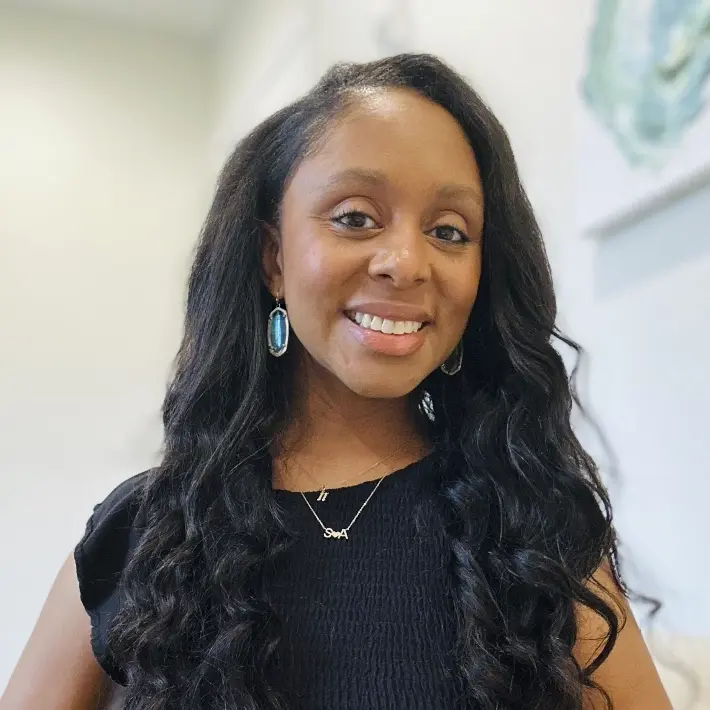
About AnnaMarie Christian
Dr. AnnaMarie Christian is a Licensed Professional Counselor Supervisor and relational therapist who helps women, couples, and families navigate relationship challenges, life transitions, parenting concerns, and emotional healing. Using a trauma-informed, attachment-focused approach, she specializes in supporting couples seeking healthier communication and stronger connections, as well as women navigating separation, divorce, co-parenting, high-conflict relationships, and identity shifts. AnnaMarie combines compassionate insight with practical strategies to help clients build resilience, strengthen boundaries, improve relationships, and create lasting, meaningful change. She is passionate about creating a warm, honest, and supportive space at Lifeologie Counseling Rockwall where clients can heal, grow, and thrive.
Meet Me.png)
.png)