


Life After Alcohol Addiction: Rebuilding Trust & Recovery


When I took on-camera acting classes and workshops, I learned a lesson I would later apply to recovery from alcohol addiction: less is more. It was not uncommon to watch scene playback and see us actors yell at the camera. Not voice yelling, but action yelling.
Camera acting differs from stage acting. On stage, your voice and movements have to reach the person in the last row. Bring that same performance to the camera, and it can be way too much. In a close-up on a theater screen, your eye is the size of a Volkswagen Jetta. Every little eye twitch gets magnified. You have to learn to do the most uncomfortable thing you can imagine: do less. Let the camera catch the small things. Give the audience room to take them in and make their own interpretation. Less is more.
But when you want people to understand what you're feeling, the temptation is to show them harder. “Look, I’ll show you!”
In recovery, I recognized that urge. I wanted my wife and kids to believe things would be different. But I wasn't going to yammer in their ears, make more promises, or push them to trust me. I needed to give them space and let my actions speak over time.
I pictured myself as the turtle. Head down. Slow. Steady. Doing the work.
The SMART Recovery values exercise and life balance wheel made it obvious what I already knew: my life was not reflecting what mattered to me. I wanted meaningful relationships. I wanted people to count on me and enjoy being around me. My drinking had pulled me away from that.
Start with small goals
My number one goal was to stay sober. Period. Staying sober gave me a chance to work on everything else. I knew that my mental health and physical health were connected, so I returned to something that always made me feel better and more confident: lifting weights. It cleared my mind and lifted my shoulders. I ate better, took my medications as prescribed, and went to therapy once a week. I established boundaries and cleaned up my environment.
None of this was a grand announcement. There was no applause. The scene didn’t fade to black as the music rose heroically because I made my bed every morning. It was ordinary stuff that I needed to keep doing. Before I could know what my life would look like years down the road, I needed to take care of the day in front of me.
But knowing what mattered didn't make the urges or old thinking disappear. I began examining my irrational beliefs and the ways my thinking could trip me up. Trigger journals helped me look at what was happening when I wanted to drink. Tools like urge surfing gave me something to practice when an urge showed up.
What connected with me was that I could practice these tools without berating myself and see whether they helped. I didn’t have to rely on faith, a sponsor, or a set of steps for this approach to make sense to me.
For someone who had spent years hating himself, that mattered. I could acknowledge the harm that I had caused without believing I was fundamentally and morally bad. I was suffering, and I had things I could learn and do to help myself. I had somewhere to go.
At my own wedding, I was at the height of my debauchery. I thought I could wing my vows. I was drunk. I rambled about my wife’s lips and physical attraction instead of expressing the love and commitment the moment deserved. My dad was officiating. Our family and friends were watching. It’s still embarrassing to remember.
As I was celebrating four years without alcohol, my oldest stepson asked me to officiate his and his wife’s vow renewal ceremony. I hadn’t been able to show up the way I wanted at my own wedding. Now I was being asked to show up for theirs. Rightly so, he had been skeptical of me marrying his mom, so that invitation meant something enormous to me. I felt trusted with a moment that mattered. This was the kind of responsibility I had wanted to be ready for when I came home from detox.
If you’re rebuilding your life after alcohol addiction, you may know what matters to you but feel unsure where to begin. In Texas, you can contact me at Lifeologie Counseling Dallas Uptown at (214) 357-4001. Or, search our Lifeologie directory for therapists who specialize in alcohol and addiction recovery to find one near you. We can work on turning those values into practical steps.
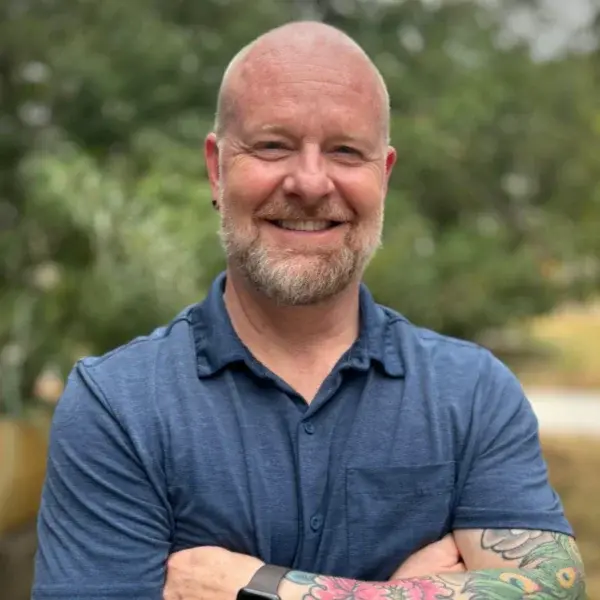
About Randy Williams
Randy Williams offers therapy for adults navigating recovery who want help building a meaningful life beyond addiction. He has a particular interest in working with men who are working toward healthy patterns but continue to struggle with shame, identity, relationships, trust, emotional disconnection, or uncertainty about what comes next. Randy helps clients reconnect with their own voices to develop the identity, relationships, and sense of purpose they need to create a life worth protecting.
Meet Me