

%20(1).png)
Men’s Mental Health, Loneliness & the Rise of the Manosphere


Men Are Being Told to Become More Powerful - When What Many Actually Need Is Connection
The internet is full of influencers telling men how to build muscle, make money, dominate the competition, and avoid weakness at all costs. But very few are teaching men how to build authentic friendships, process emotions, navigate loneliness, or create healthy relationships.
That absence matters.
Because behind the growing popularity of the “manosphere” is something deeper than ambition: a generation of men searching for identity, belonging, and emotional support - often in places that only know how to offer performance instead of connection.
June is Men’s Mental Health Awareness Month, and conversations around men’s mental health are finally becoming more common. But even as awareness grows, many men are still struggling in silence with loneliness, isolation, and pressure to perform.
Something I'm seeing in my practice at Lifeologie Counseling Oak Cliff is a lot of young men who are receiving mixed messages about what it means to be “successful.” Be strong. Be financially powerful. Be attractive. Dominate. Show no weakness. Never need or ask for help. But this confusion is part of what is leading them to consider therapy in the first place.
Much of this messaging has been amplified by the rise of the “manosphere” online—a loose network of podcasts, influencers, and communities built around masculinity, self-improvement, dating advice, and status. While some of these spaces speak to real frustrations men experience, many ultimately reduce a man’s worth to his money, body, power, or ability to control others.
What often gets left out of the conversation is something far more human: connection.
the loneliness epidemic among men
Male loneliness is not a niche issue. It’s widespread.
Many men struggle to maintain close friendships as they get older. Work becomes the focus. Relationships shift. Emotional vulnerability can feel uncomfortable or even unsafe. Somewhere along the way, many men absorb the idea that independence means handling everything alone.
But humans are not built for isolation.
Healthy friendships, emotional intimacy, community, and support systems are essential for mental health. Yet many men have never been taught how to build or maintain those relationships in meaningful ways.
Instead, they’re often taught to suppress emotion until it turns into anger, numbness, burnout, or depression.
And loneliness doesn’t always look obvious. Sometimes it looks like overworking. Constant scrolling. Emotional detachment. Irritability. Avoiding vulnerability. Feeling disconnected even while surrounded by people. A client once told me that being alone in his car at night was the only time he felt free to fully express his emotions, because no one else could see him. Loneliness often hides in plain sight, masked by the routines and distractions we use to avoid being truly seen.
why the manosphere appeals to so many men
It’s easy to dismiss online masculinity influencers entirely, but that misses an important point: many men are turning to these spaces because they are looking for direction, belonging, and identity.
They want answers.
They want confidence.
They want purpose.
They want connection.
The problem is that many of these communities offer certainty without emotional depth. They provide rigid definitions of masculinity but rarely encourage empathy, emotional resilience, or healthy relationships.
In many cases, vulnerability is framed as weakness. Compassion is mocked. Therapy is dismissed. Relationships become transactional. Other people become competitors rather than companions.
This can leave men feeling even more isolated than before.
strength and vulnerability are not opposites
There’s a harmful cultural belief that emotional openness somehow makes men less masculine. But being emotionally honest takes an enormous amount of strength.
Real confidence is not pretending to need nobody.
Real strength is not emotional shutdown.
And real masculinity should not require loneliness.
Men deserve friendships where they can speak honestly.
They deserve romantic relationships built on trust rather than performance.
They deserve spaces where they can admit fear, grief, insecurity, or uncertainty without shame.
Mental health conversations around men should move beyond “just toughen up” or “just go to therapy.” Many men need practical examples of how to reconnect, both with themselves and with others.
That can look like:
- Reaching out to a friend instead of isolating
- Learning emotional communication skills
- Joining communities built around shared interests
- Having conversations that go deeper than surface-level banter
- Seeking therapy or support without seeing it as failure
redefining masculinity
Men do not need more pressure to become perfect.
They need permission to become whole. To be authentic.
The goal should not be creating emotionally invulnerable men who chase status at all costs. The goal should be helping men build lives rooted in purpose, connection, self-respect, and healthy relationships.
This Men’s Mental Health Awareness Month, maybe our conversations should be less about “fixing” men and more about reminding them they do not have to carry everything alone.
Because strength is not isolation. And connection is not weakness.
If you’re looking for a nonjudgmental space where you can connect, feel free to speak, and to question what you’ve been taught or what you’re seeing online, reach out to a therapist who specializes in men’s issues. I work with adults who feel trapped by fear, stress, low mood, or high expectations to perform, including helping men unpack the underlying causes of their anxiety or depression so they can learn new tools to build resilience and restore balance in their everyday lives. In Texas, you can reach out to me at Lifeologie Counseling Oak Cliff for an online or in-person session by calling or texting (214) 357-4001. Or search for a therapist near you to find the right fit in our Lifeologie Directory.
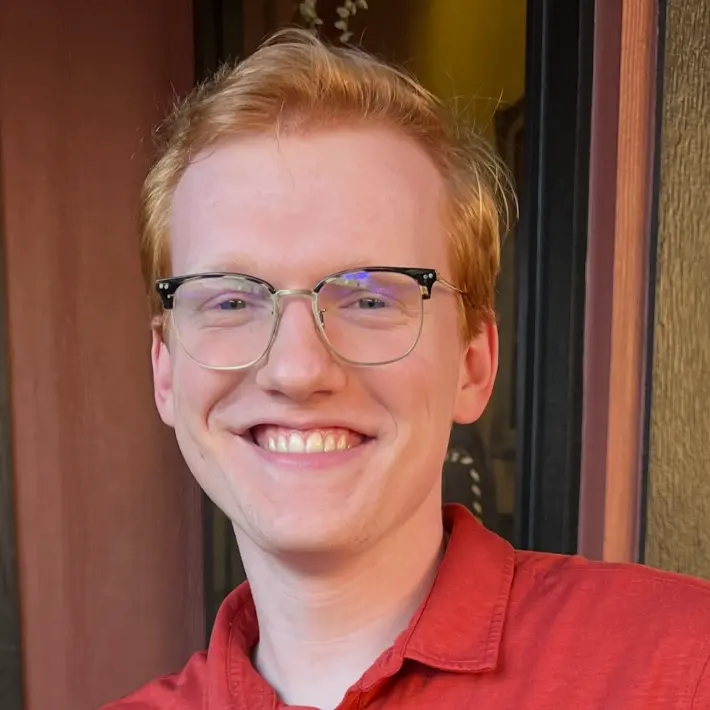
About Brent Strunk
Brent Strunk is a therapist at Lifeologie Counseling Oak Cliff who offers in-person and telehealth counseling for with adults navigating the ups and downs of life. Whether you’re feeling stuck in relationships, overwhelmed by stress, or weighed down by depression or anxiety, Brent provides a safe and supportive space to explore challenges and discover new ways forward. Brent specializes in helping adults who feel trapped by worry, stress, or low mood. He works alongside clients to unpack the underlying causes of their anxiety or depression, offering tools to cope, build resilience, and restore balance in everyday life.
Meet Me

.png)